Hotel Llop GrisHotel Llop Gris
MapServices and facilitiesAgendawebcams
English
EspañolCatalàFrançais

Showing 12 points of interest

Search

Search by category, route or point of interest

Points of Interest

Points of Interest

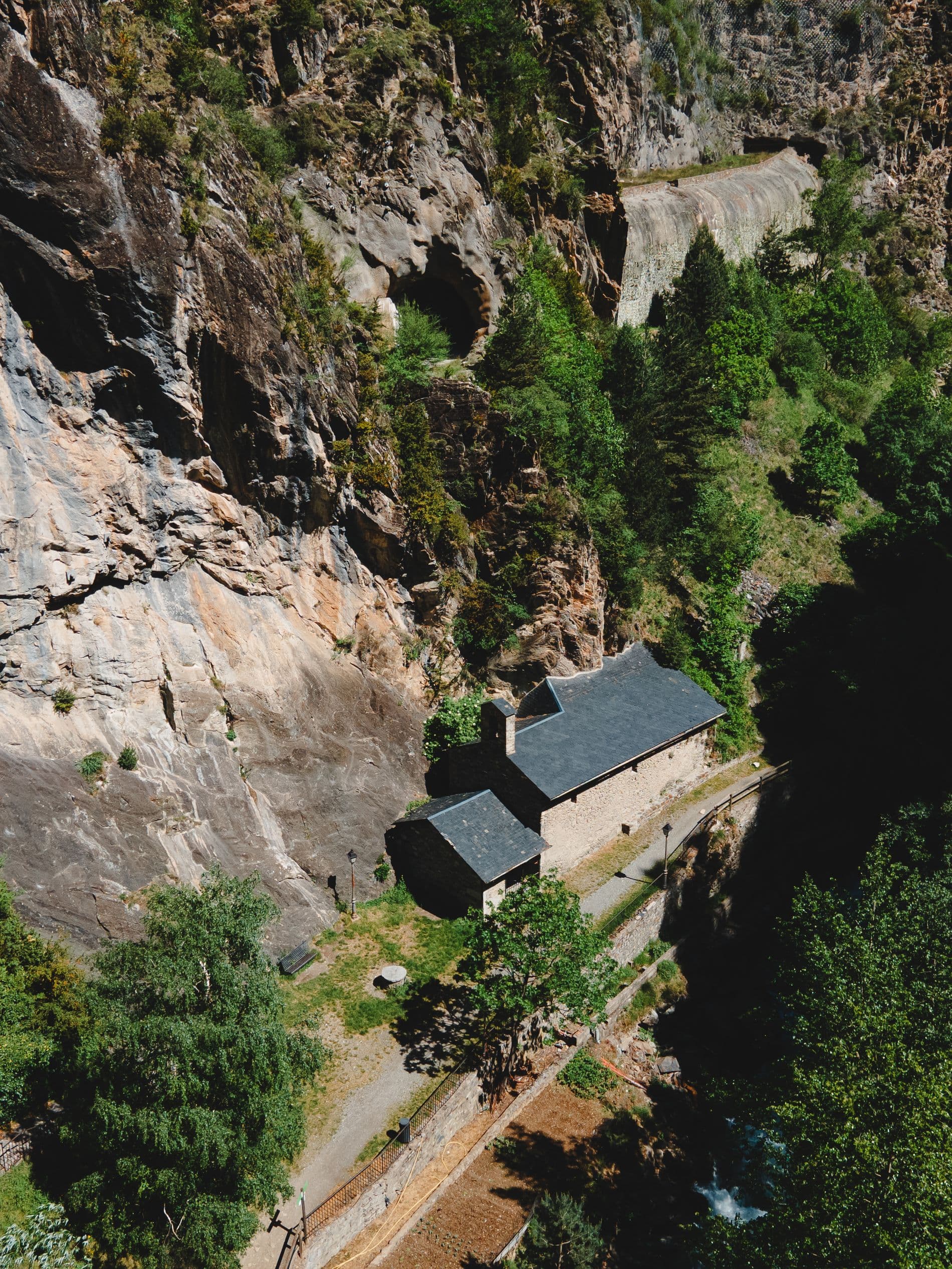
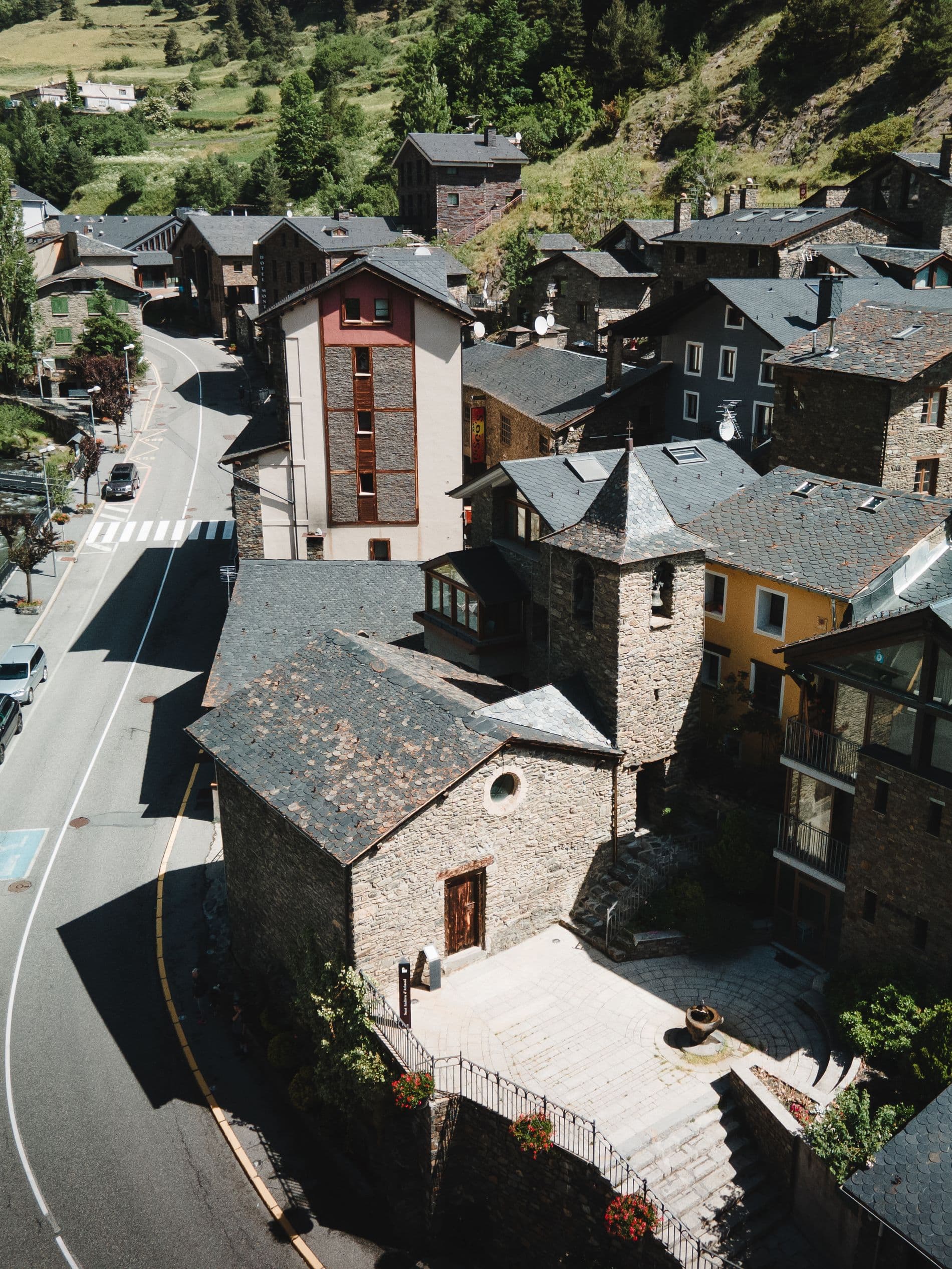
Church of Sant Antoni de la Grella

Church of Sant Antoni de la Grella

Cultural heritage · Church

Building attached to the rock of the gorges of the Valira d'Orient River. Chapel of Romanesque origin, practically reconstructed in its entirety. Dedicated to Saint Anthony the Abbot, patron of carriers, whom they invoked before passing through this narrow and difficult passage.

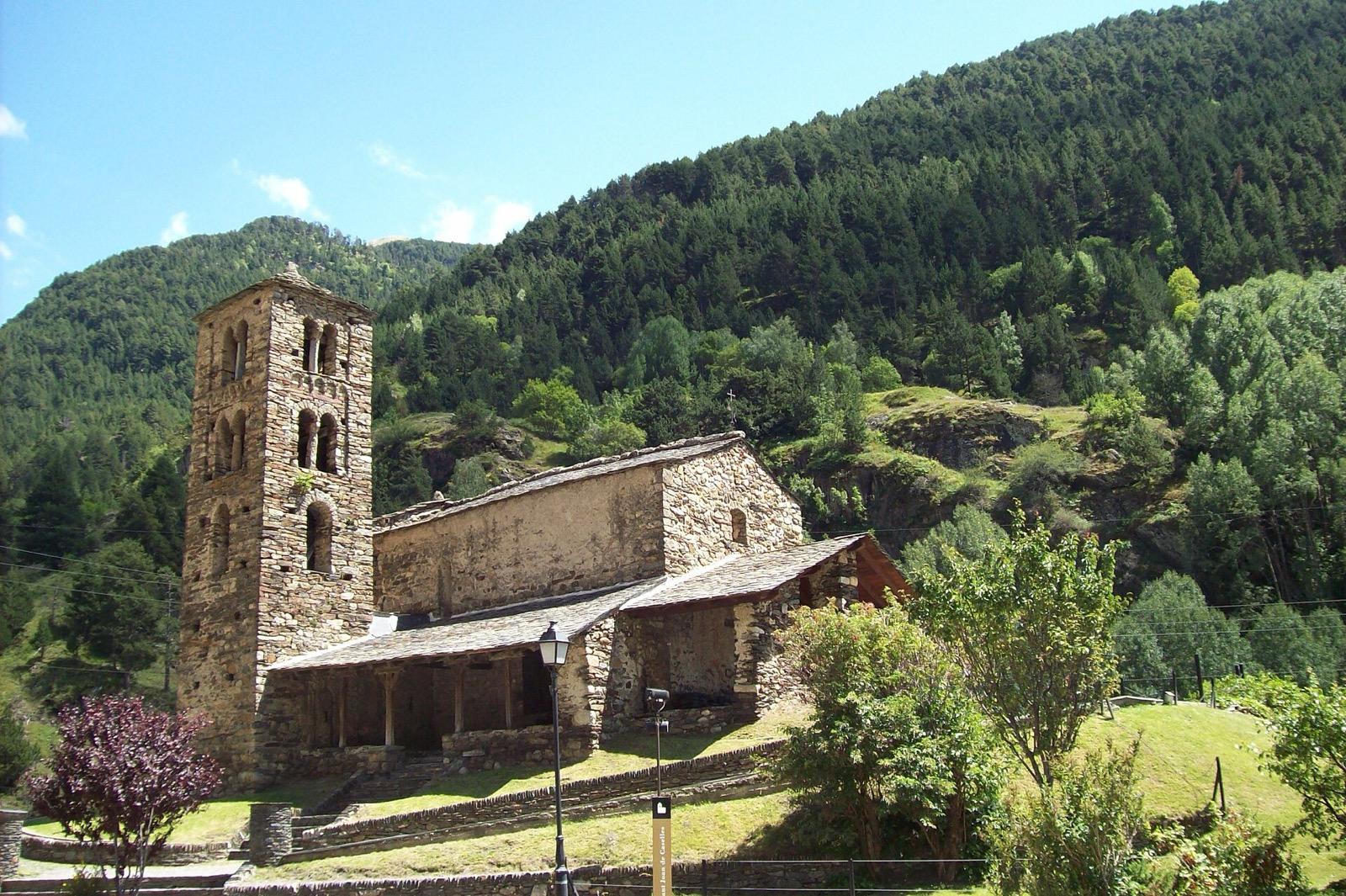
Foto: Albert Pujadas · CC BY-SA 3.0 · Wikimedia Commons (https://commons.wikimedia.org/wiki/File:Esgl%C3%A8sia_de_Sant_Joan_de_Caselles,_Andorra.jpg)

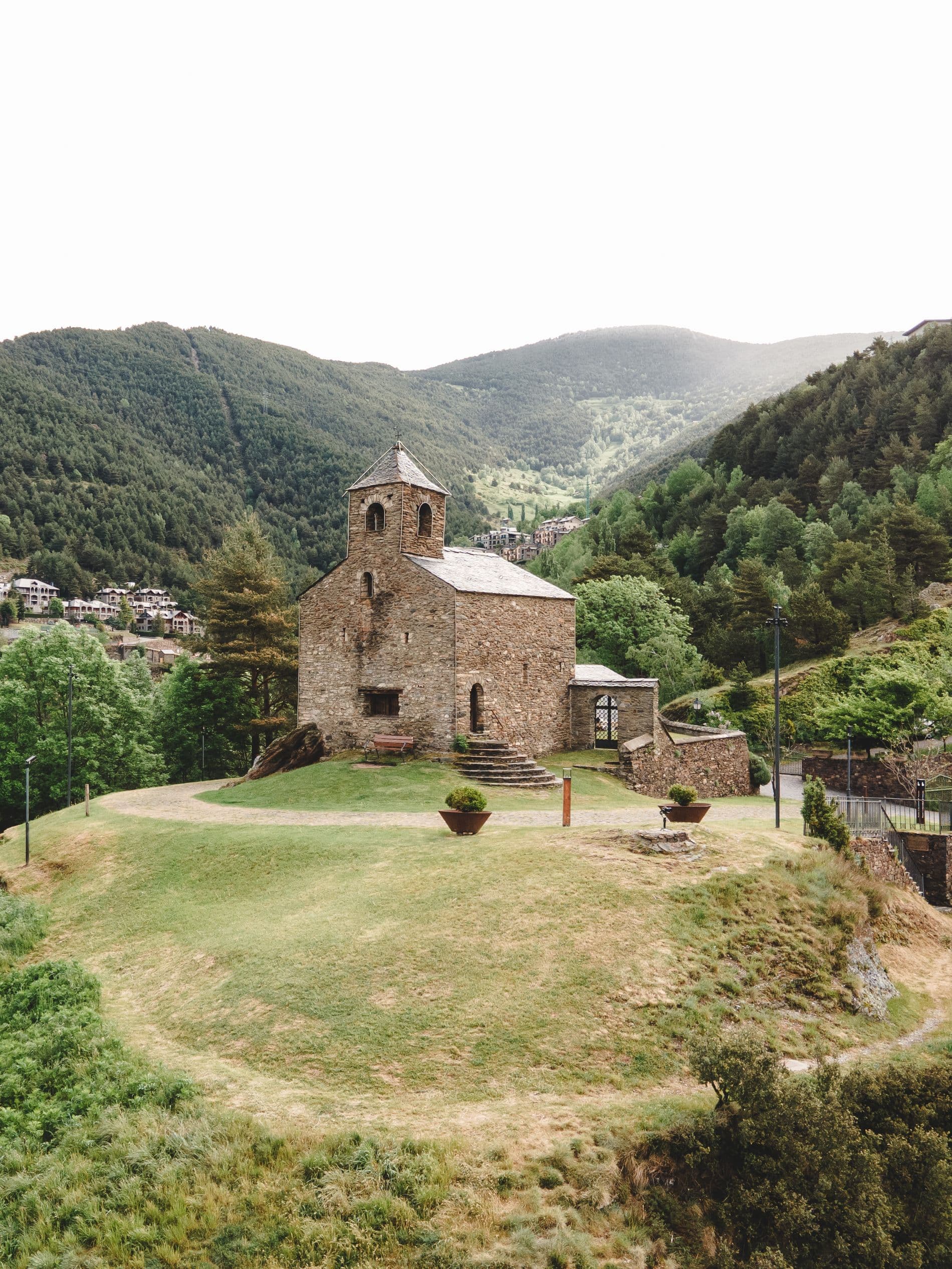
Sant Joan de Caselles

Cultural heritage · Church

One of the best-preserved Romanesque churches in Andorra, dating from the 11th-12th centuries, with its Lombard bell tower and a stucco Christ in Majesty inside. It stands on the road between El Tarter and Canillo. Photos: Albert Pujadas (CC BY-SA 3.0), fer55. (CC BY-SA 2.0), Jcdelorge (CC BY-SA 4.0), Gennadii Saus i Segura (CC BY-SA 4.0), Wikimedia Commons.

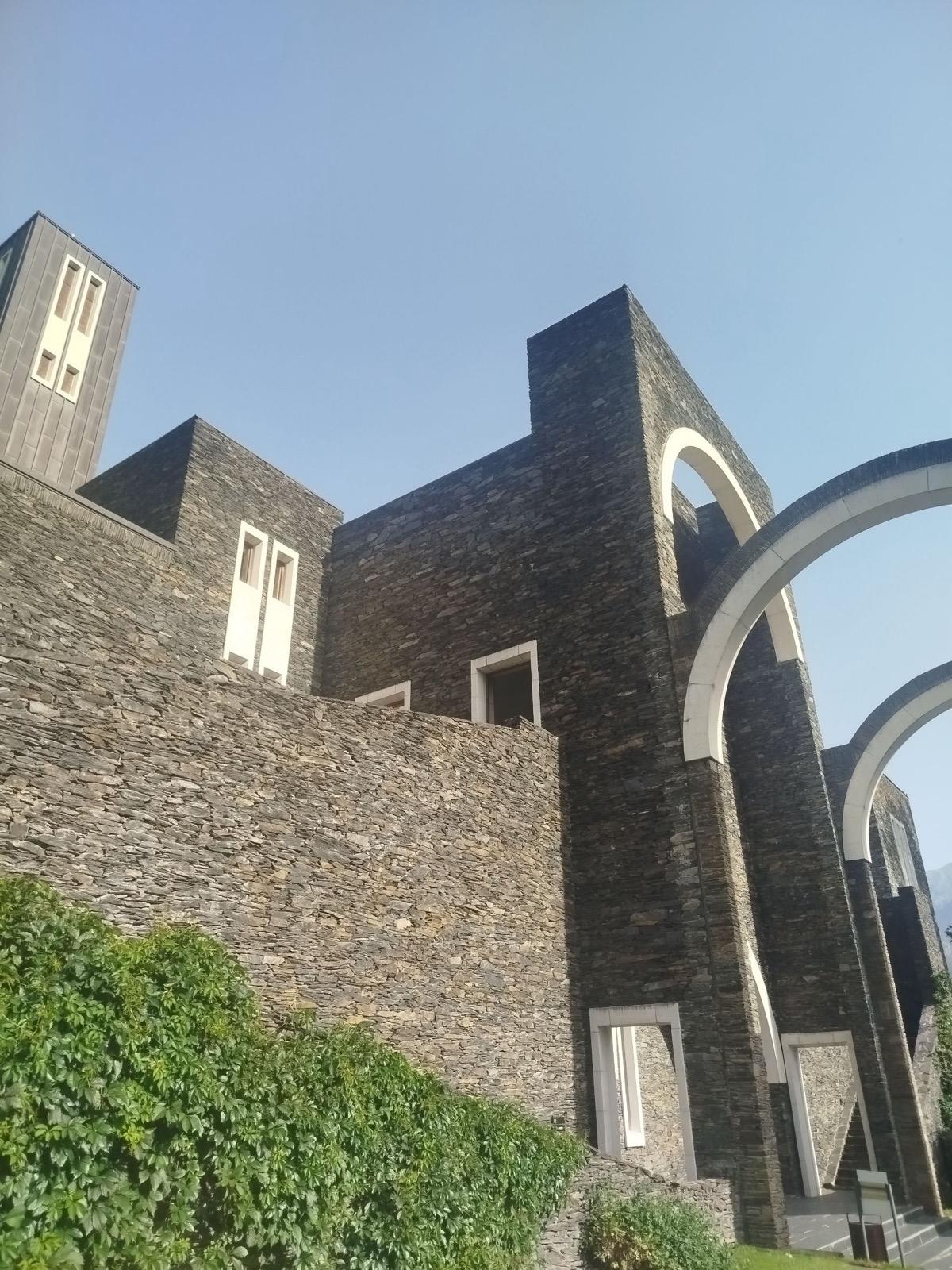
Foto: Jazpillaga (Tagzania user ID: 5) · CC BY-SA 4.0 · Wikimedia Commons (https://commons.wikimedia.org/wiki/File:Santuari_nou_de_Meritxell_(Andorra)_-_Santuari_nou_de_Meritxell_-_Tagzania_-_1784910502185.jpg)

Meritxell Sanctuary

Cultural heritage · Church

The sanctuary of Andorra's patron saint, rebuilt by Ricardo Bofill after the 1972 fire. The old sanctuary still stands next to it, with views over the valley. Photos: Jazpillaga (Tagzania user ID: 5) (CC BY-SA 4.0), MARIA ROSA FERRE ✿ (CC BY-SA 2.0), Wikimedia Commons.

Church of Sant Joan de Sispony

Church of Sant Joan de Sispony

Cultural heritage · Church

Building constructed in the 17th century, most likely on the foundations of an ancient medieval structure. Inside, it preserves a pictorial cycle with representations of the Blessed Sacrament and the Passion of Christ by the painter Josep Oromí from the 19th century.

Church of Sant Romà d’Erts

Church of Sant Romà d’Erts

Cultural heritage · Church

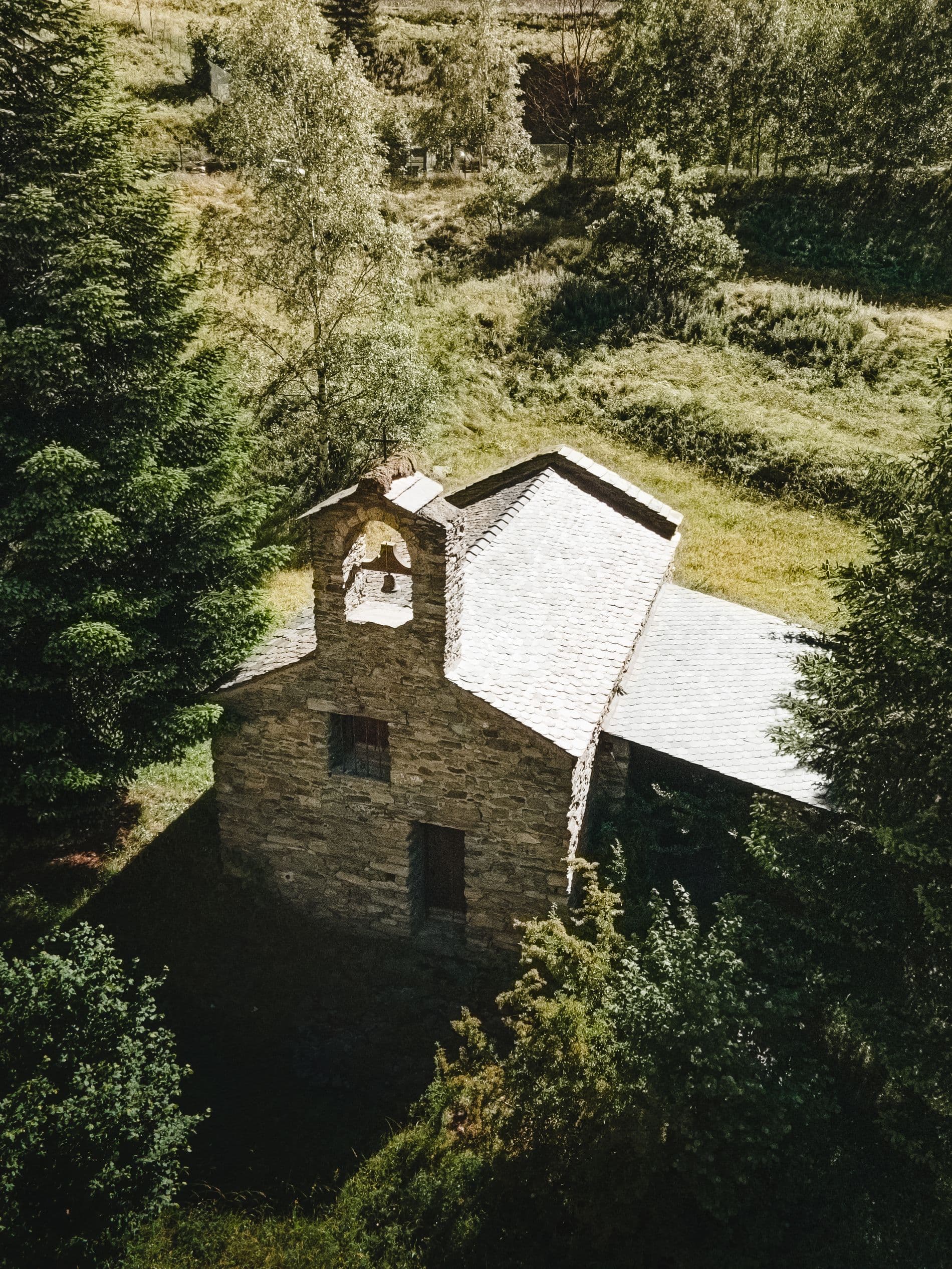
From the 18th century, built in a location near the ancient Romanesque chapel. It features a two-eyed belfry above the entrance and a porch. It preserves a baroque altarpiece from the old church with paintings that evoke the martyrdom of Saint Roman.

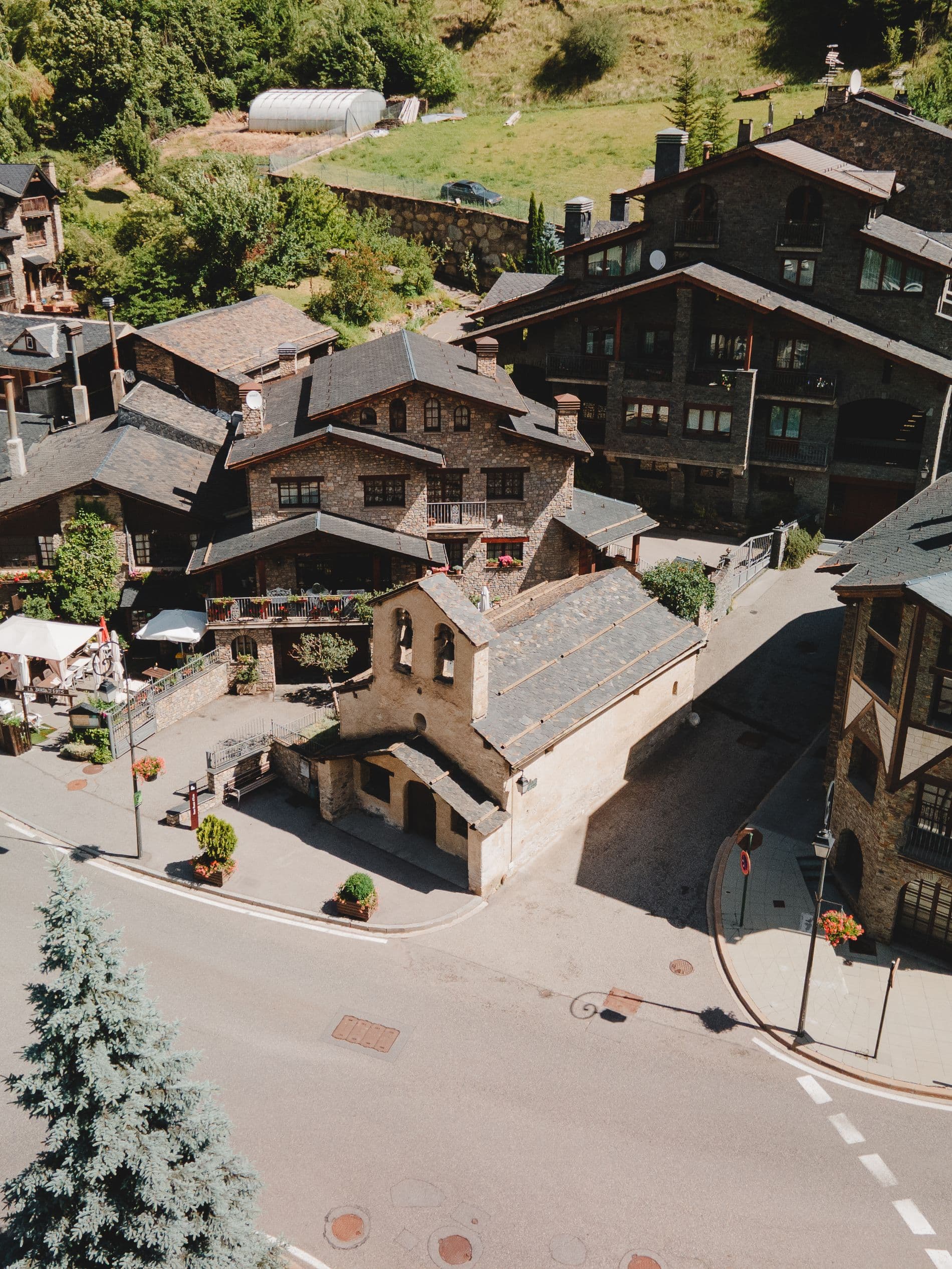
Hotel Llop Gris

Hotel Llop Gris

Establishment

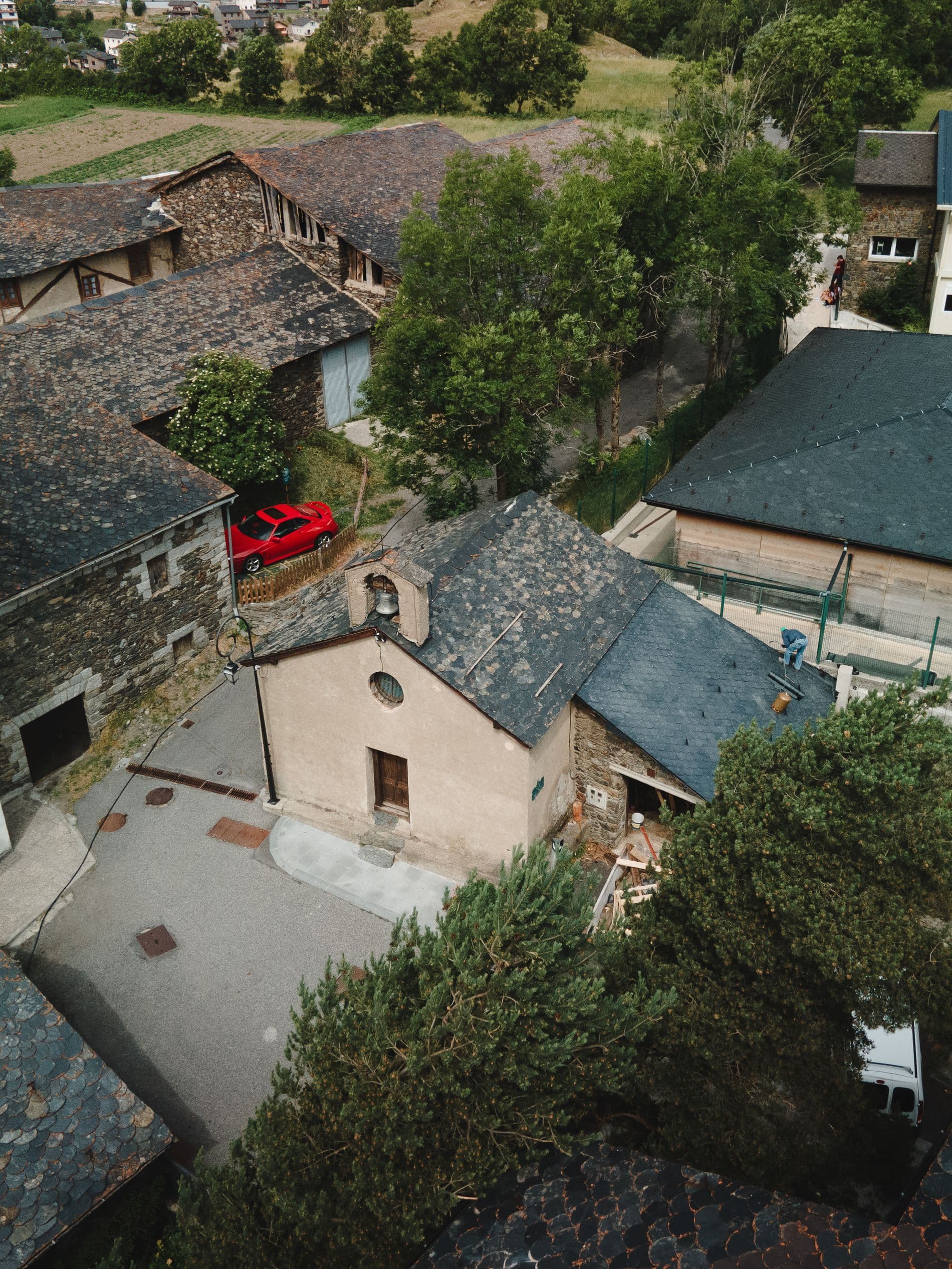
Our hotel is only 50 meters from the Tarter ski lift, and 300 meters from the Riba Escorxada cable car. What does this mean? You won't be in a hurry, you'll save time waiting in lines, and you'll be able to get out of bed and head straight to the slopes, all without needing to drive or take another form of transportation, and carrying your ski equipment. We are a Ski-in and Ski-out hotel. Additionally, with our ski rental service, you can have all your equipment directly at the Hotel. And in summer? When the temperatures rise, the Hotel is surrounded by green meadows and mountains. How can you say no to a hike in the Andorran Pyrenees? And not just on foot, but you can also use a mountain bike or go horseback riding. A wonderful experience! We have more than 50 rooms; we are your refuge in the middle of the Andorran Pyrenees, where we will welcome you and your entire family. And not just the human members, but also the furry ones. The whole family can enjoy the vacation.

Saint Christopher Church of Anlloc

Saint Christopher Church of Anlloc

Cultural heritage · Church

Originally Romanesque from the 12th century, but greatly modified between the 16th and 19th centuries. There is still a Last Supper of Proto-Gothic style dating from the 14th century. You can see an altarpiece made by Joan de Monterde from the 16th century and a pictorial cycle from the same period dedicated to Saint Christopher.

Church of Sant Andreu in Arinsal

Church of Sant Andreu in Arinsal

Cultural heritage · Church

From the 17th century, with several later modifications and fully restored between 1963 and 1964, according to a project by the Catalan architect Cèsar Martinell. The interior houses a small Baroque statue of Saint Andrew and an altarpiece from the 17th century dedicated to the Virgin of the Rosary, commonly known as the Virgin of the Snows.

Church of Sant Iscle and Santa Victòria de la Massana

Church of Sant Iscle and Santa Victòria de la Massana

Cultural heritage · Church

Parish church from the 17th century, built on an ancient medieval temple. From the medieval period, a baptismal font and a wrought iron candelabrum have been preserved. The interior houses five baroque altarpieces, dated between the 17th and 18th centuries.

Church of Sant Ermengol de l’Aldosa

Church of Sant Ermengol de l’Aldosa

Cultural heritage · Church

Building dating from the 18th and 19th centuries, with a rectangular nave, quadrilateral apse, and belfry. Inside, it houses a altarpiece that combines a Baroque panel with paintings on canvas from the 19th century attributed to the painter Oromí de la Seu.

Church of Sant Andreu of the Prat del Campanar d’Arinsal

Church of Sant Andreu of the Prat del Campanar d’Arinsal

Cultural heritage · Church

Privately owned, this is a 20th-century reconstruction of the original Romanesque church destroyed by two avalanches.

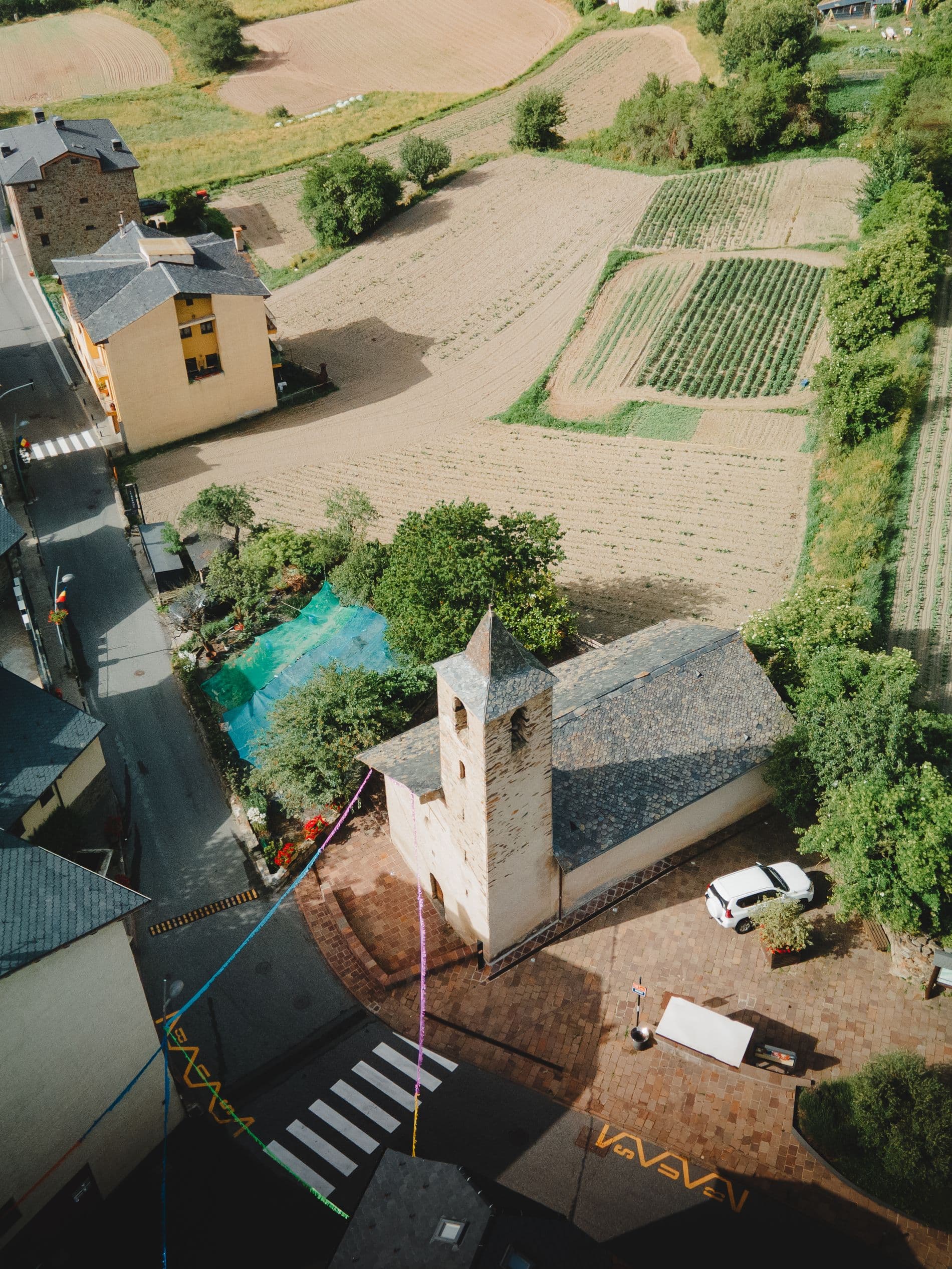
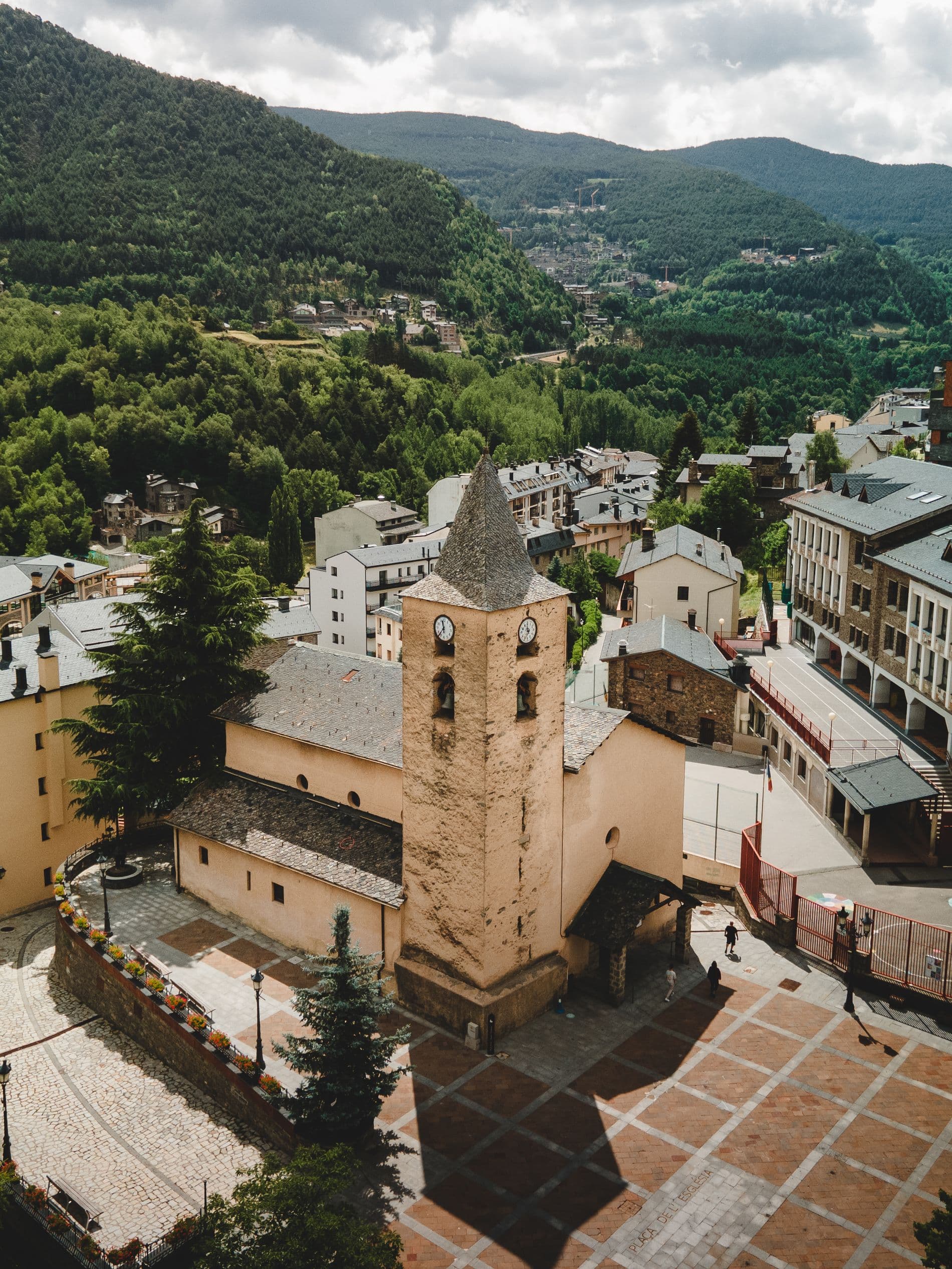
Church of Sant Climent de Pal

Church of Sant Climent de Pal

Cultural heritage · Church

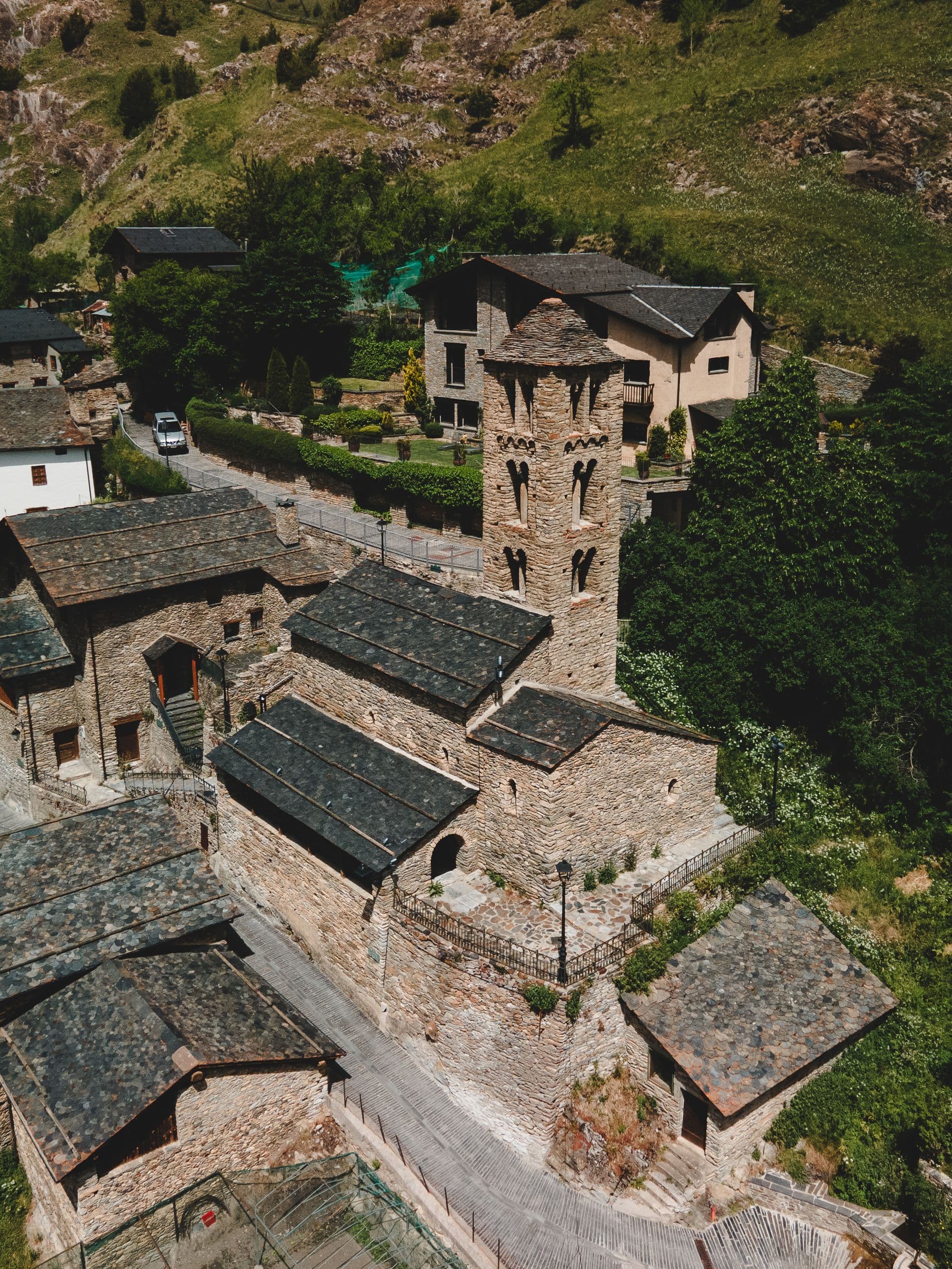
Pal is one of the best-preserved rural villages in all of Andorra. Furthermore, it has been part of a special protection plan since 1997. In the center of the village stands the Romanesque church of Sant Climent, built between the 11th and 12th centuries, which still retains some of its original masonry. This building shows some interventions that took place after its construction. The plan is rectangular, and the original apse from the Romanesque period, likely semicircular, has not been preserved. Therefore, today we find a square-shaped apse that we would date to the late 17th and early 18th centuries. Access to the interior of the temple is via a porch built in the 20th century by Cèsar Martinell, which features a pointed arch decorated with serrated teeth. Inside, next to the apse, one can access the Romanesque Lombard bell tower with a square plan and three stories in height. The distinctive features of this bell tower include the double geminate windows on the third floor, which are atypical in smaller bell towers like this one and represent a unique element in the Andorran valleys. Inside the church, we find an original granite baptismal font. On the other side is a second font from the 12th century that, in this case, was used to store oil. Two other notable pieces are the polychrome wooden cross from the 12th century and the Baroque altarpiece of the apse, which was made in 1709 and dedicated to Saint Climent.